

In Primavera P6, when you use the default “Critical” filter, it highlights the critical path of the entire project, typically leading to the final activity.

But what if you want to identify the critical path leading to an activity somewhere in the middle of the project, not just the last one?
To achieve this, you can use the Multiple Float Paths feature in P6. This allows you to trace the driving path to any selected activity.
Step-by-Step Guide
Go to:
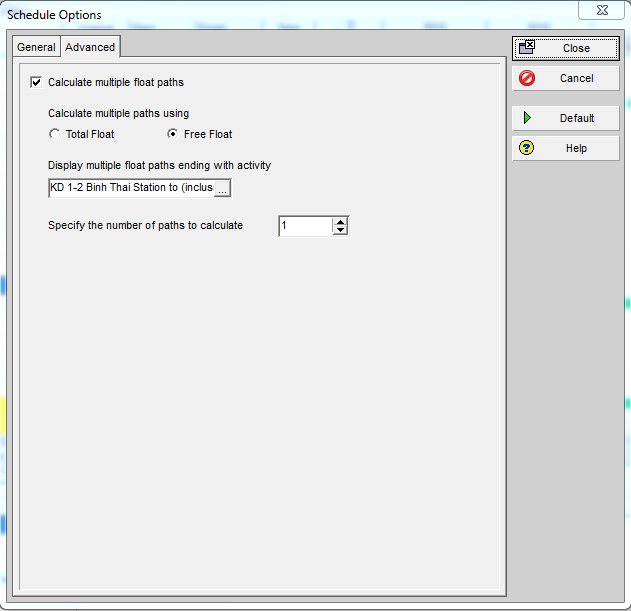
Tools → Schedule → Options → Advanced tab
Then configure the following:
- Check “Calculate multiple float paths”
- Select “Free Float”
- In “Display multiple float paths ending with activity”, choose the target activity you want to analyze
- In “Specify the number of paths to calculate”, you can select 1 (recommended for a clear result)
- Click Close, then Run Schedule
After scheduling:
Go to:
View → Group and Sort
- Set Group By = “Float Path”
This will organize the activities based on their float path number.

To focus only on the relevant activities, you can create a filter to hide unnecessary ones and display only the selected float path.
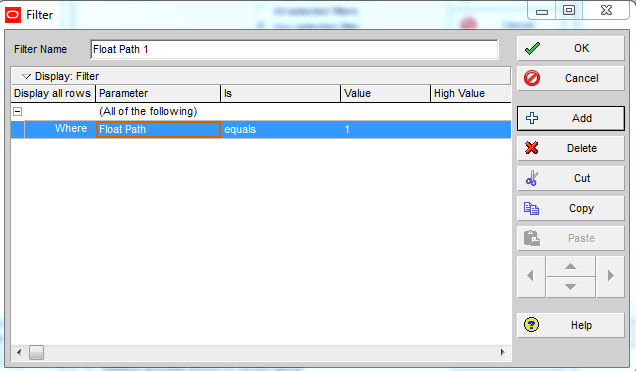
You now have a “mini critical path” (or driving path) leading to your selected activity 🙂

Key Takeaway
- The default critical path only shows the longest path to project completion
- Multiple Float Paths allows you to analyze driving paths to any activity, which is extremely useful for:
- Delay analysis
- Intermediate milestones


Thanks Tom. What a silly mistake 🙂
LikeLike
The way I do this for an activity in the middle of the project is take the activity desired and but a “Finish on or Before” constraint with a date of a year ago. This will drive the float on this activity and its critical path very negative. Filter on the very negative float and you will have the critical path for the desired activity.
Once complete with printing or analysis remove the constraint and re-calc the schedule to reset float based on desired project end.
LikeLiked by 1 person
It’s also a very good way. Thanks for your suggestion Mr David
LikeLike
1. “Multi float path” is good if only 1 calendar used in whole network
2. Instead of “critics path” for the desired activity, “driving path” is more appropriate
LikeLike
Mr. Do Duy,
Why do you choose Check “Free Float” instead of total float when you Calculate multiple float paths?
LikeLike
Hi Tomas,
Because my project has actual data.
So when your project has already started (having actual data), you should use Free Float. It will provide more accurate critical path.
Total Float is good when your project have not got actual data.
LikeLike
Really appreciate
it is really helpful
LikeLike
In Primavera, when you check on the Critical Filter, it doesn’t show the Critical Path. It shows the Critical Activities only. To have the Critical Path traced, you always have to work backwards from the Last (or the desired) Activity, for Driving Predecessors. Float Path has to be run with Free Float, else you will get other Constraint activities in your string (which may not be the real driver of the string)
LikeLike